
Primitive Reflex Integration for Children | Neurokinetix | Calgary
Helping Children Build the Foundation for Learning, Focus, and Coordination
At Neurokinetix, we support children who are struggling with attention, coordination, emotional regulation, and learning challenges. Through movement-based approaches that support neurological development, we help children strengthen the foundational skills needed for success at home, at school, and in everyday activities.
Many children who experience difficulties with focus, posture, balance, or coordination may have retained primitive reflexes—early movement patterns that should integrate as the brain matures. When these reflexes remain active, they can interfere with learning, behaviour, and motor development.
Neurokinetix provides primitive reflex assessment and integration programs designed to support the healthy development of the nervous system and help children move, learn, and grow with greater ease.
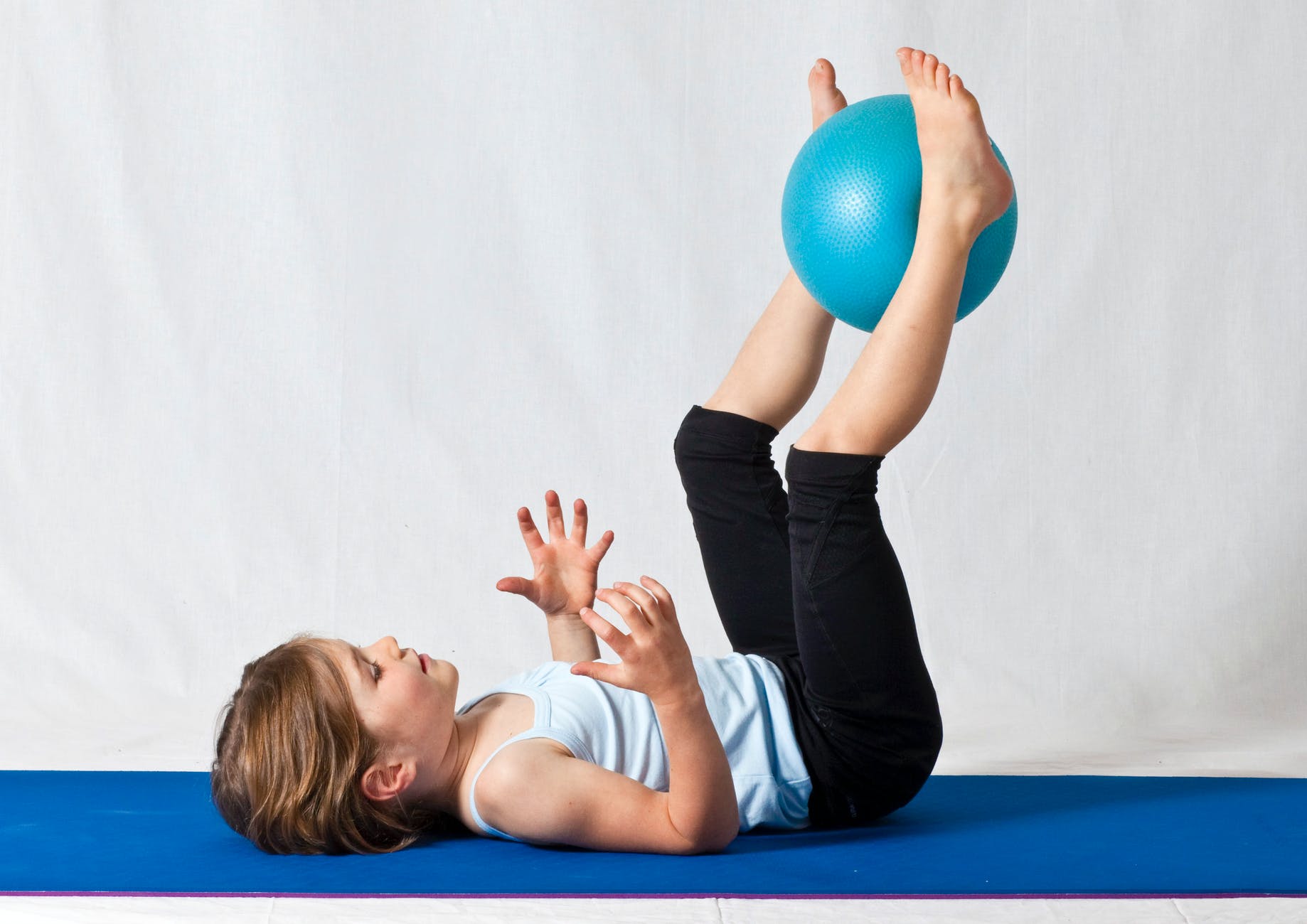
Does This Sound Like Your Child?
Many parents begin searching for answers when they notice challenges such as:
- Difficulty sitting still or maintaining focus
- Clumsiness or poor coordination
- Struggles with reading, writing, or schoolwork
- Emotional outbursts or frustration
- Poor posture or low muscle tone
- Avoidance of sports or physical activity
- Sensitivity to movement or noise
- Difficulty with balance or motor skills
These signs can sometimes indicate that early reflex patterns are still influencing how a child’s nervous system functions.
Understanding the root of these challenges can be the first step toward meaningful improvement.
My approach is gentle, individualized, and developmentally appropriate, meeting each child where they are.
What Are Primitive Reflexes?
Primitive reflexes are automatic movement patterns present in infancy that help support early development. As a child’s nervous system matures, these reflexes should integrate, allowing more advanced motor, emotional, and cognitive skills to develop.
When reflexes remain active, they can interfere with learning, coordination, behaviour, and emotional regulation.
Pediatric Kinesiology & Reflex Integration Therapy
Pediatric kinesiology uses movement to support the development of the brain and nervous system. Many children retain primitive reflexes beyond infancy, which can interfere with posture, coordination, learning, and emotional regulation.
Through reflex integration therapy and play-based movement, I help children build stronger neurological foundations that support:
- Improved motor coordination and balance
- Better focus and attention
- Increased emotional regulation
- Confidence in movement and daily activities
Sessions are engaging, supportive, and designed to fit naturally into family life.
What Makes My Approach Different
- Specialized training in reflex integration therapy
- I am a Certified Reflex Integration Through Play Provider
- Strong focus on the nervous system and brain–body connection
- Play-based, child-led sessions that feel safe, achievable, and supportive
- Use of the Reflex Integration Through Play (RITP) app to support home programming
- Collaboration with families and other professionals when appropriate
To support consistency and carryover between sessions, I use the RITP app to guide each child’s home program. The app provides parents with clear, easy-to-follow movement activities tailored to their child’s needs, helping families feel confident and supported without overwhelm. This allows therapeutic movement to become part of daily life in a realistic and sustainable way.
What Parents Can Expect
- A thorough understanding of your child’s movement patterns and developmental needs
- Clear explanations using parent-friendly language
- Practical strategies and home activities to support progress
- A calm, supportive environment focused on regulation and connection
Progress takes time, but families often notice improvements in confidence, coordination, and overall regulation.
Serving Families Across Calgary
I proudly support families throughout Calgary and surrounding communities. Whether your concerns are mild or more complex, I offer individualized care tailored to your child’s unique needs.
I often work with other medical professionals, including Occupational Therapists and Physio Therapists to support them in reaching the goals they are working with.
How the Process Works
Step 1 – Initial Assessment
A comprehensive primitive reflex assessment helps identify whether early reflex patterns may be influencing your child’s development.
Step 2 – Personalized Program
Based on the assessment findings, a targeted movement program is designed to support reflex integration and neurological development.
Step 3 – Home Support
Simple activities are provided for home practice to help reinforce progress between sessions.
Step 4 – Ongoing Progress
Regular check-ins allow progress to be monitored and the program adjusted as your child develops.
Take the Next Step
If you’re wondering whether pediatric kinesiology or reflex integration therapy is the right fit for your child, I invite you to schedule a free discovery call.
About Neurokinetix
Neurokinetix was founded by Renée Coetzee, Pediatric Kinesiologist, who is passionate about helping children overcome barriers to learning and development.
Renée holds a degree in Human Movement Science and an Honours degree in Kinderkinetics, specializing in movement development in children. She is also a registered member of the Alberta Kinesiology Association.
Through her work with children, Renée focuses on supporting the maturation of the nervous system through movement-based approaches that promote healthy brain development and help children reach their full potential.
Parent Resources
Parents often begin their journey by learning more about the connection between movement, development, and learning.
Helpful resources:
- 10 Signs Your Child May Have Retained Primitive Reflexes
- How Primitive Reflexes Affect Learning and Behaviour
- Primitive Reflex Checklist for Parents
Wondering if Primitive Reflexes Could Be Affecting Your Child?
A primitive reflex assessment can help identify whether early movement patterns may be influencing your child’s development.
With the right support, many children can strengthen the foundations needed for learning, coordination, and confidence.
Research

Reflexes & ADHD
Research indicated that, in general, boys diagnosed with ADHD had significantly higher levels of reflex retention than non-diagnosed boys. Results also indicated both direct and indirect relationships between retention of the Moro, ATNR, STNR and TLR reflexes with ADHD symptomatology and mathematics achievement…

Academics
Research found that ATNR persistence was significantly associated with level of attainments in reading, spelling and mathematics and that boys were more at risk than girls for ATNR persistence…

